Originally published on LinkedIn. Reformatted for Medium / zahradnik.io.
You can hear the buzzword “sovereign cloud” popping up more and more recently.
The definition, however, often feels almost anti-sovereign — and occasionally amusing.
In simple terms, it usually means:
A cloud that obeys local government laws.
My definition of a sovereign cloud is much simpler — and, I believe, more powerful:
Servers located on my premises, running software authorized by me, serving my company’s needs.
People often forget that the very first Google servers were built from consumer-grade hardware.
That’s exactly what I’m doing today.
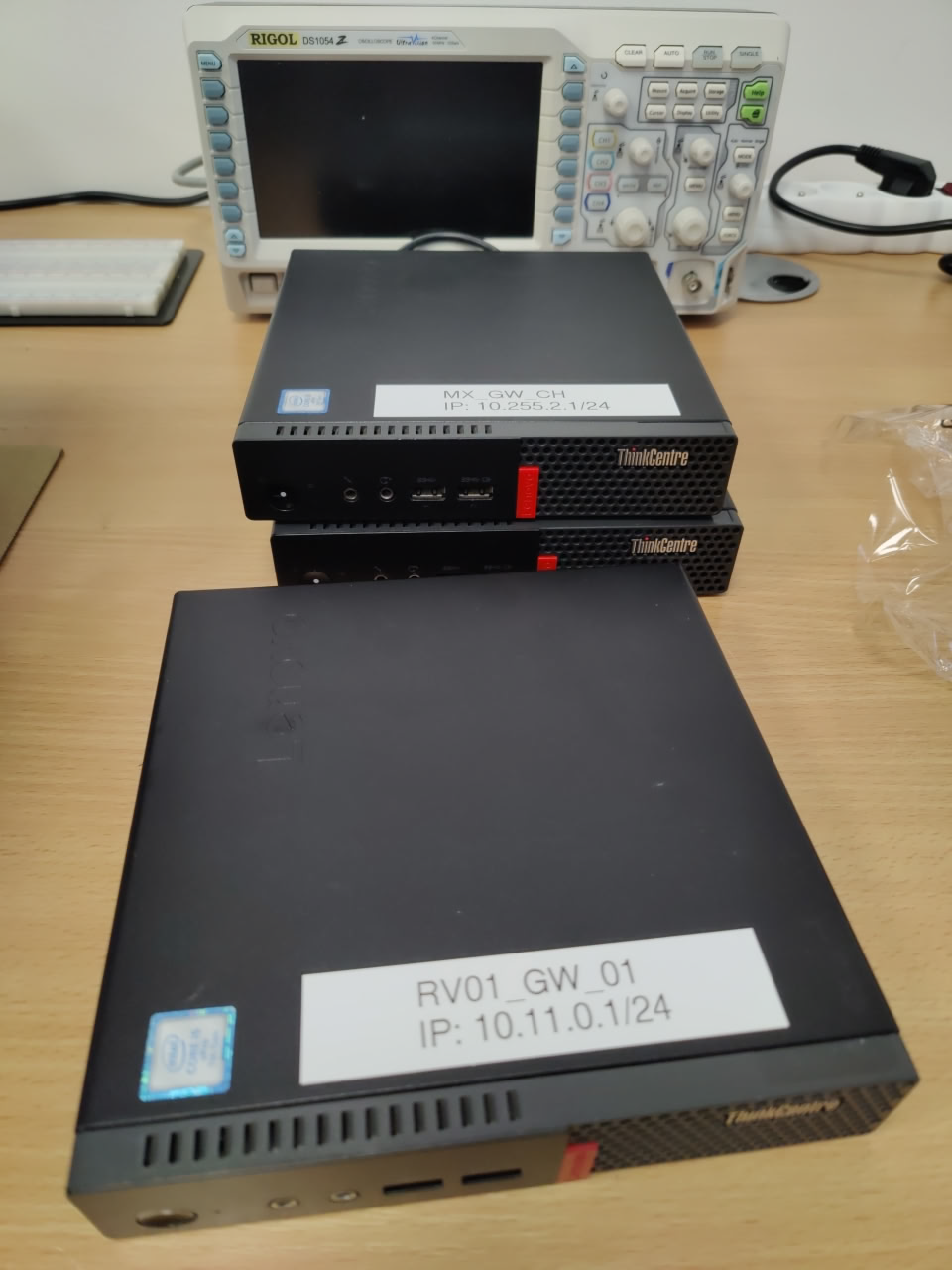
I bought refurbished PCs.
I built new machines from spare parts (and yes, I had some RAM left).
I designed my own strategies for backups, replication, and security.
Right now, I’m in the middle of implementing these designs.
Two weeks in, I’m not even 50% done.
But I already have experience worth sharing.
This week, I’m opening the topic of digital sovereignty — lightly at first.
We’ll go deeper in the coming months.
One brick at a time.