Modern technologies for us — end users — are often designed for comfort. And comfort is seductive. But it always comes at a cost.
Recently, I had a sobering realization: if someone stole my smartphone, it would be a bigger problem than if they stole my wallet with IDs and debit cards.
You might argue that phones are encrypted, that data is protected by a PIN or fingerprint. Maybe. Or maybe there are vulnerabilities that bypass those protections. In any case, when you optimize for comfort, a vague, abstract risk is usually acceptable.
I optimize for sovereignty. And for me, even a remote chance of a data breach is unacceptable.
Put differently:
If your smartphone is more valuable than your wallet, something is wrong.
So I decided to put my phone back where it belongs.
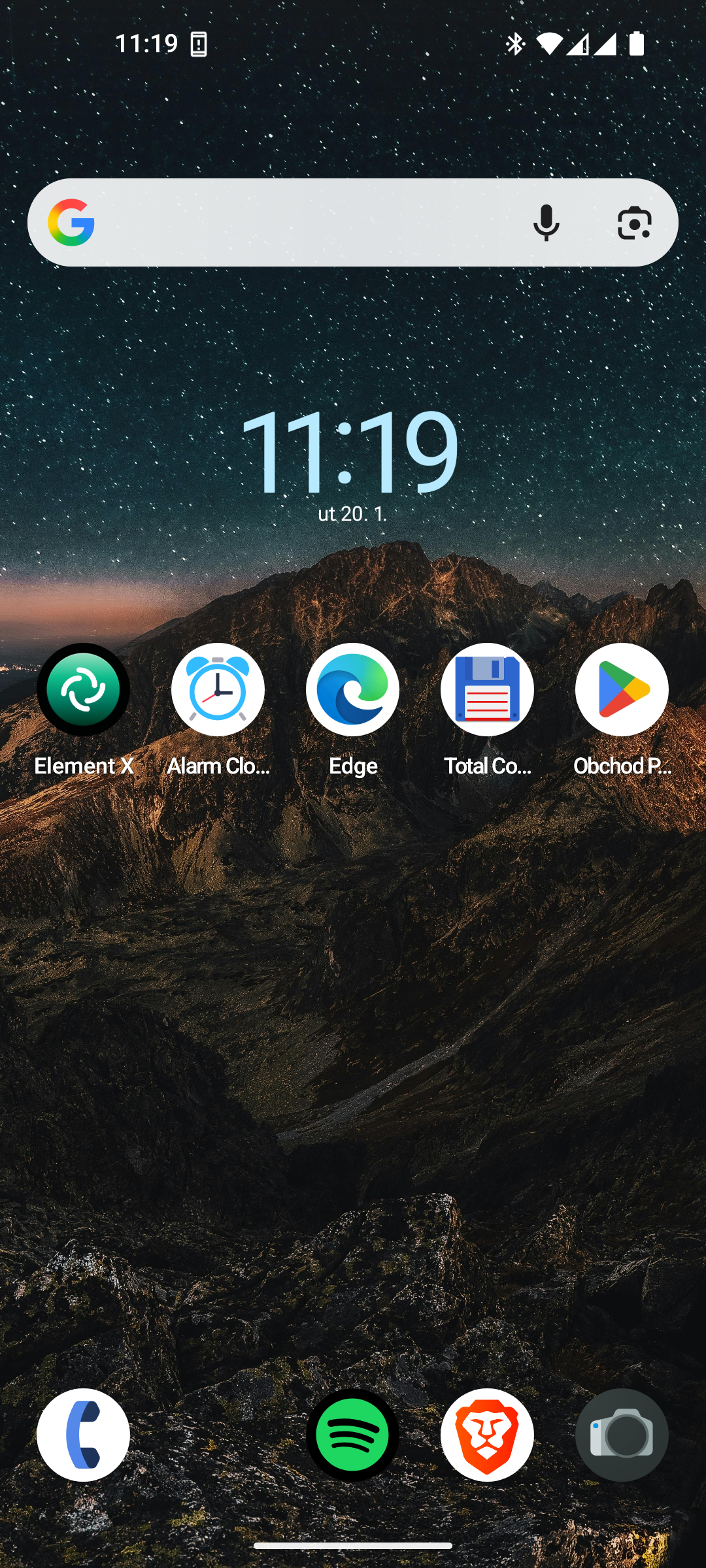
I deleted around 90% of my apps. I turned it into a device that can receive phone calls. I kept one chat app, a browser, and a maps app. Everything else went away. Apps that couldn’t be uninstalled — the usual vendor bloatware — were at least disabled. (Samsung, by the way, ships apps you can neither remove nor fully turn off.)
If someone steals my phone now, it’s no longer a catastrophe. And something else happened as a side effect: I suddenly had more time. Time that used to disappear into doomscrolling now goes into language learning and actual thinking. For productive work, I use my laptop or PC exclusively.
During this process I also discovered an inconvenient truth: in 2026, you cannot fully get rid of a smartphone.
There is no way to approve a VISA payment without one. Smart banking is hit or miss. My primary bank still allows login and transfers confirmed by SMS. I’m not sure how far you’d get with Revolut alone.
Update — January 21, 2026:
After publishing this, I discovered that my banking apps do support SMS-based authorization. The option is simply buried deep in the settings and not surfaced by default.
This doesn’t change the conclusion — a smartphone is structurally required in 2026 — but it does slightly reduce the dependency surface if you’re willing to dig and reconfigure deliberately.
I solved this by buying a dedicated drawer phone.
I bought it second‑hand from a local seller who had just upgraded to an iPhone. It’s cheap, it’s boring, and it’s turned off about 99% of the time. So far, I’ve charged it once.
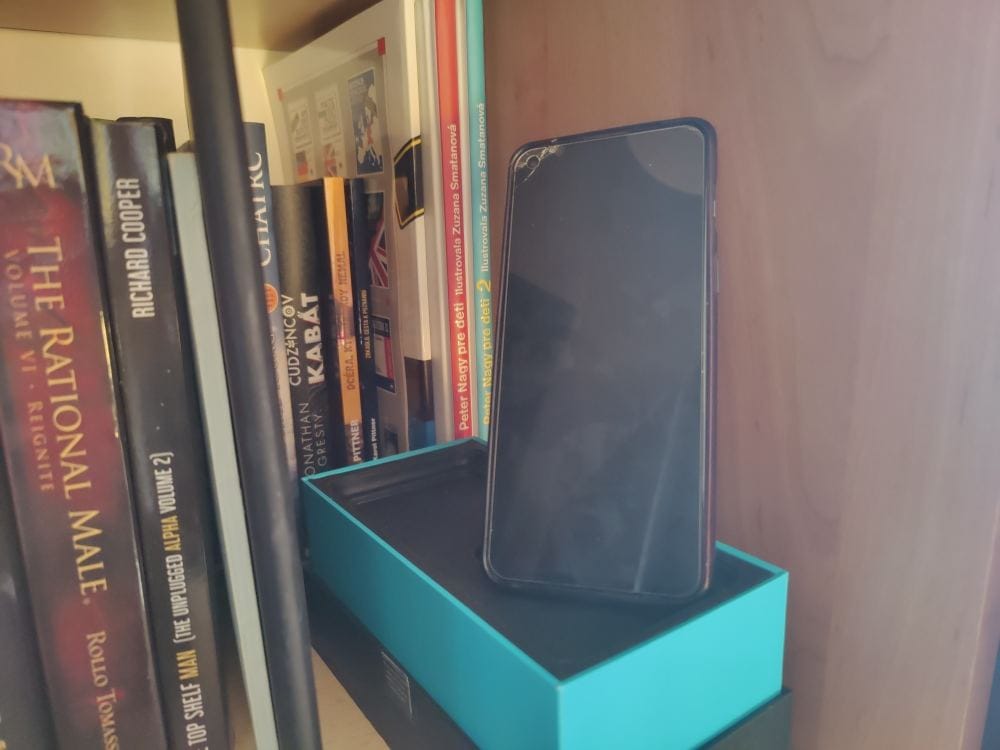
This setup has an unexpected advantage: I can’t buy things on a whim. Sometimes I click “buy,” enter my card details — and then realize a smartphone confirmation is required. 🙈
That forced pause is surprisingly effective.
The drawer phone also handles WhatsApp. I bought a cheap SIM card for four euros — purely to satisfy Meta. Unlike Telegram, WhatsApp doesn’t allow logging in on a primary device with a different number. So I informed my contacts, switched numbers, logged in on my PC via Android WhatsApp, re‑joined the same groups, and moved on.
This leads to the real question:
Sovereignty over convenience — can we have both?
Until recently, I thought this was an exclusive trade‑off. I was wrong.
Slowly, I’m finding ways to bring comfort back — but on my terms. That exploration deserves its own post another day.
One important caveat: if you’re deeply embedded in the Google or Apple ecosystem, I strongly do not recommend doing what I did overnight. You can’t change habits in a day. I moved in this direction gradually, over several years.
What I would recommend is much simpler: turn off social media completely for at least two weeks. You might start liking it.
I eventually came back — not for clout, but because social media is now a professional tool for me, a way to find clients and collaborators. Gone are the days when I bled energy for likes and validation.
We’ll end with a quote that fits this perfectly:
Rome wasn’t built in a day.
Start small. It compounds.