Many times in my life I faced the same pattern:
I want to change something — and all I have is motivation.
Motivation is enough to start.
But it is not enough to continue.
The Hidden Enemy: Friction
This year, I made a conscious decision to focus on embodiment.
For years, I trained my mind intensely. I also trained my body — but the results were inconsistent.
I would make progress…
then lose momentum…
then start again.
Not because I lacked discipline.
But because I underestimated friction.
I live a full life.
Languages. Tango. Music. Public speaking. Programming.
The question wasn’t whether I wanted to train.
The question was:
Where do I fit a two-hour workout into this system?
That question alone creates resistance.
And resistance compounds.
What friction looks like in practice
- The gym is across the city
- Cooking healthy food requires energy you don’t have at the end of the day
- You believe progress requires expensive supplements or perfect conditions
None of these are dramatic barriers.
But together, they form a system that quietly kills consistency.
The Shift: Designing Systems Instead of Relying on Willpower
Instead of trying harder, I changed the environment.
I built systems that remove friction.
My personal setup
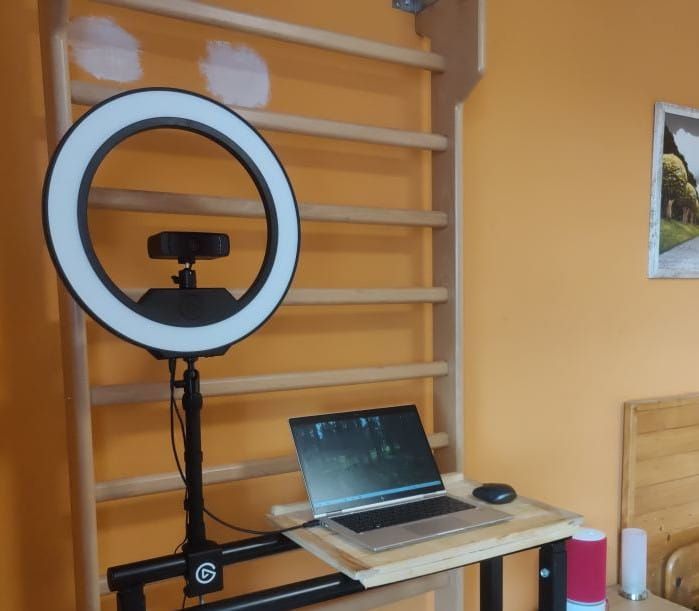
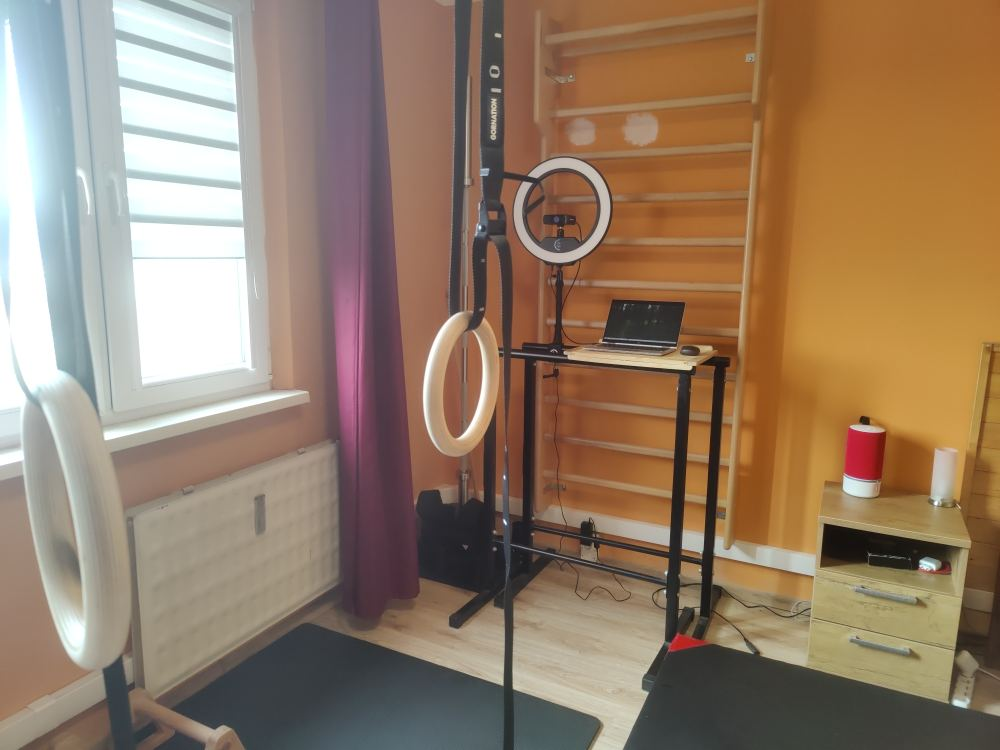
What emerged over the past weeks is something I now call a personal dojo.
Not a perfect space.
A functional one.
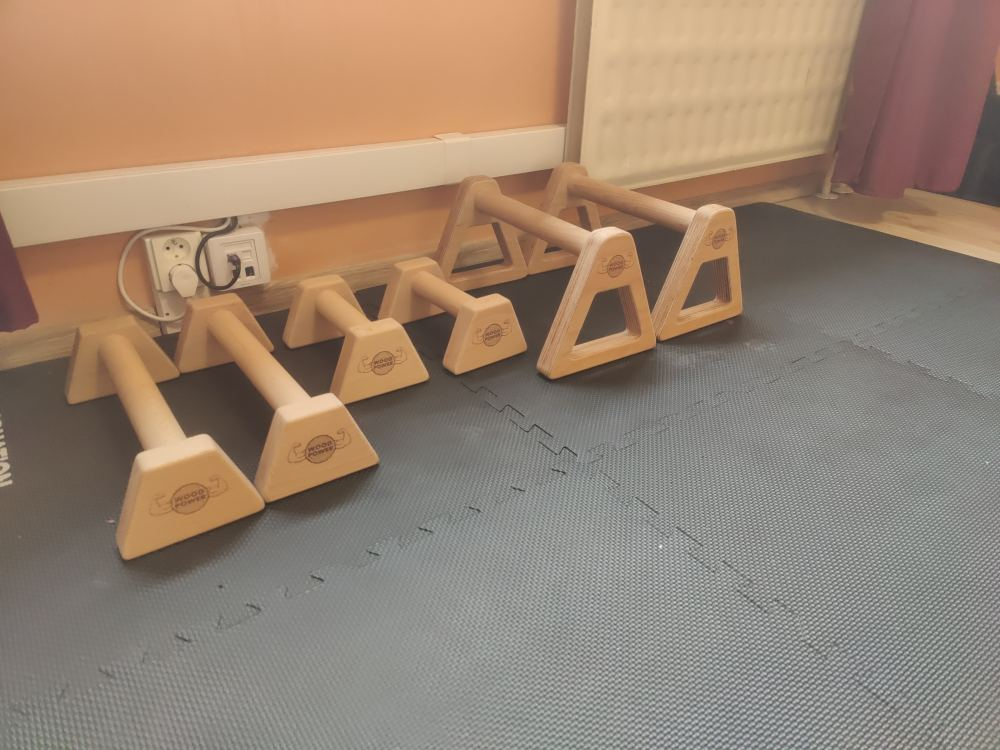
- A calisthenics zone next to my bed — no commute, no excuses
- Sound-dampening tiles — I can train even late at night
- A simple standing desk — improvised, but effective
- A camera setup — not for meetings, but for feedback loops
The loop is simple:
record → observe → adjust → repeat
No overthinking. Just iteration.
Food as a system
Nutrition used to fail for a simple reason:
Decision fatigue.
I would come home tired, go to a store, and choose convenience over quality.
So I removed the decision.
- I cook for 2–3 days in advance
- I use simple, repeatable ingredients
- I treat food as fuel, not entertainment
Result: consistency without effort.
The Same Pattern in Software Engineering
Friction is not limited to the body.
It appears in every system.
A client of mine runs a tightly integrated CMS.
It works for his business.
But for me, it created friction.
My preferred workflow is different:
- Git versioning
- Pull requests
- Structured reviews
- Automated builds
His system didn’t support that.
From his perspective, investing in a better developer workflow had no direct ROI.
From mine, the friction was too high to ignore.
So I made a decision:
I mirrored the documentation into Git.
On my own time.
What this enabled
- Documentation via pull requests
- Full auditability (who changed what and when)
- Safe experimentation in a staging environment
- Local and GitHub Pages builds
The production system stayed untouched.
But the development experience improved dramatically.
There is no immediate visible gain.
But there is a long-term shift:
The system is now evolvable.
The Pattern Is Universal
Whether you are training your body or building software:
Friction compounds.
But so do systems.
There is an old saying:
If you fail to plan, you plan to fail.
I would refine it:
If you ignore friction, you design failure into your system.
Final Thought
Building systems requires energy upfront.
But once they are in place, they reduce the need for motivation.
They make consistency natural.
If your friction is high enough that you cannot reduce it alone,
that’s where someone like me steps in.
Not to push harder —
but to redesign the system.
Because most problems are not about effort.
They are about design.