Originally published on LinkedIn. Reformatted for Medium / zahradnik.io.
When someone asks about my language skills and immediately follows up with A1 or B2, it feels like we’re suddenly speaking two different languages.
I was never a chaser of diplomas. I learned languages because they are fun. For me, it’s closer to doing crosswords or sudoku than collecting certificates.
If you ask about my English mastery, I honestly don’t know which level label would apply. I don’t have a paper proving it. I simply use English — daily, professionally, and without friction.
That disconnect made me realize something: language levels hide more than they reveal.
A more honest breakdown
Language mastery isn’t a single number. It’s a composition of distinct skills:
- Reading
- Listening (with understanding)
- Writing
- Speaking
Compressing all of that into one label inevitably creates confusion.
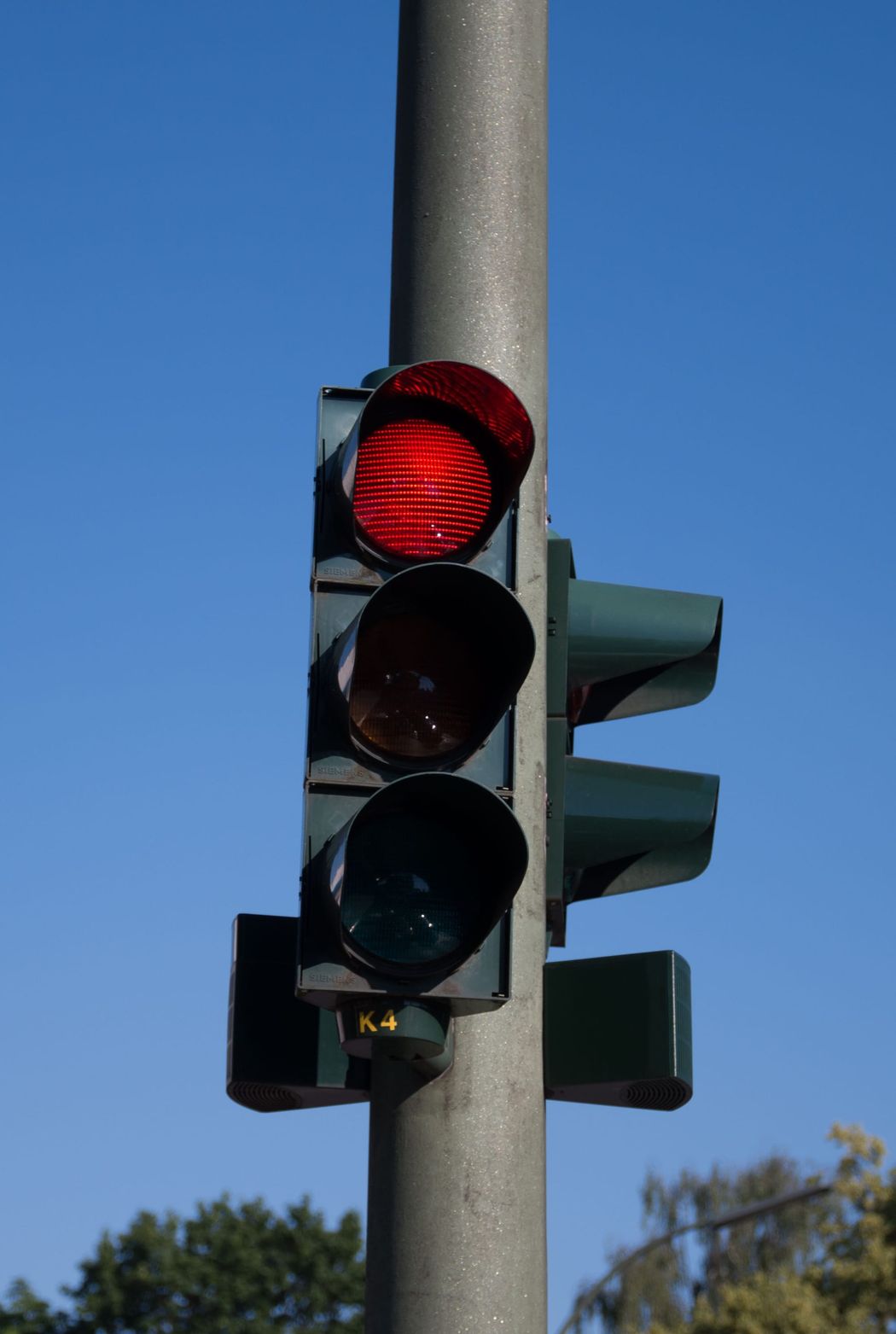
Instead, I prefer a simple visual system — inspired by a semaphore:
🔴 not functional yet
🟡 usable but limited
🟢 reliable and comfortable
What this looks like in practice
German
- Reading 🟢
- Listening 🟢
- Writing 🟡
- Speaking 🟡
Polish
- Reading 🟡
- Listening 🟡
- Writing 🔴
- Speaking 🔴
This instantly communicates reality — without pretending that all skills evolve at the same pace.
Why this matters (even outside CVs)
This model isn’t just clearer for others. It’s more useful for you.
Once you see your languages this way, planning becomes trivial:
- Which skill is holding me back?
- What should I practice next?
- Where am I already strong enough to rely on?
From there, it’s just an ongoing loop of refinement. There is no final level — only deeper mastery.
Du siehst den Wald vor lauter Bäumen nicht.