Originally published on LinkedIn (reformatted for zahradnik.io / Medium)
I’ve noticed a pattern over the years.
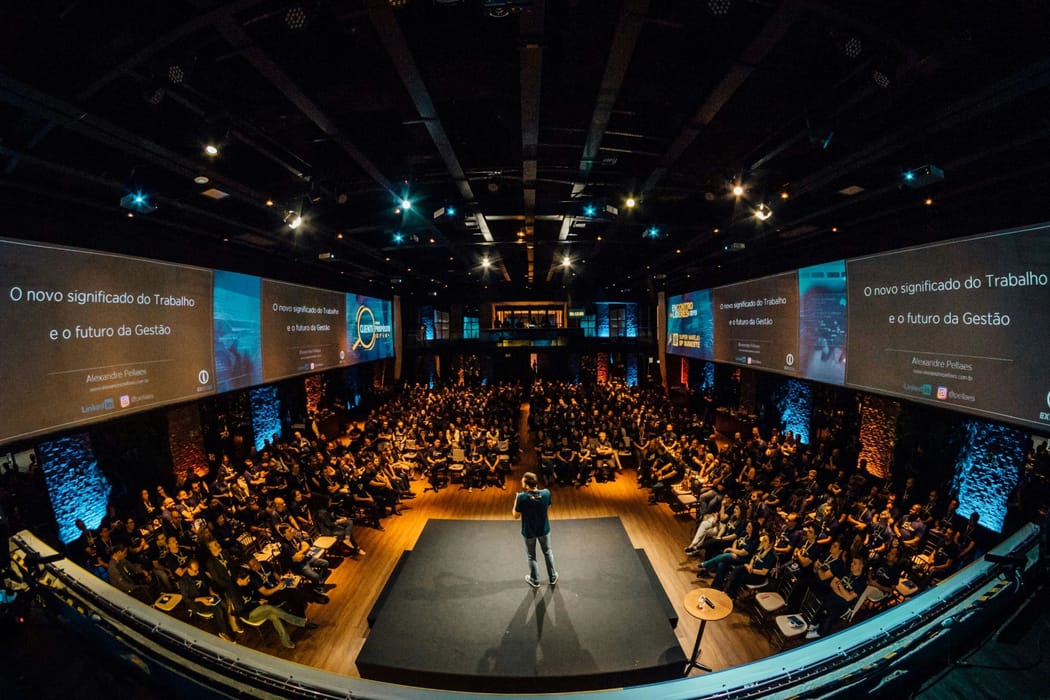
A small group of enthusiasts launches a focused, passionate conference — web development, AI, game design, cybersecurity, it doesn’t matter. The early versions are alive with signal: builders sharing what they know, practitioners exchanging real insight.
Then the event grows.
Sponsors appear — Google, Meta, Microsoft.
Speaker slots shift from people who build to people who promote.
From craftsmen to personalities.
From depth to visibility.
Growth isn’t the issue.
Direction is.
Each year the organizers chase the same outcome:
Bigger. Louder. Flashier. More influencers. More tracks. More everything.
But not necessarily more meaningful.
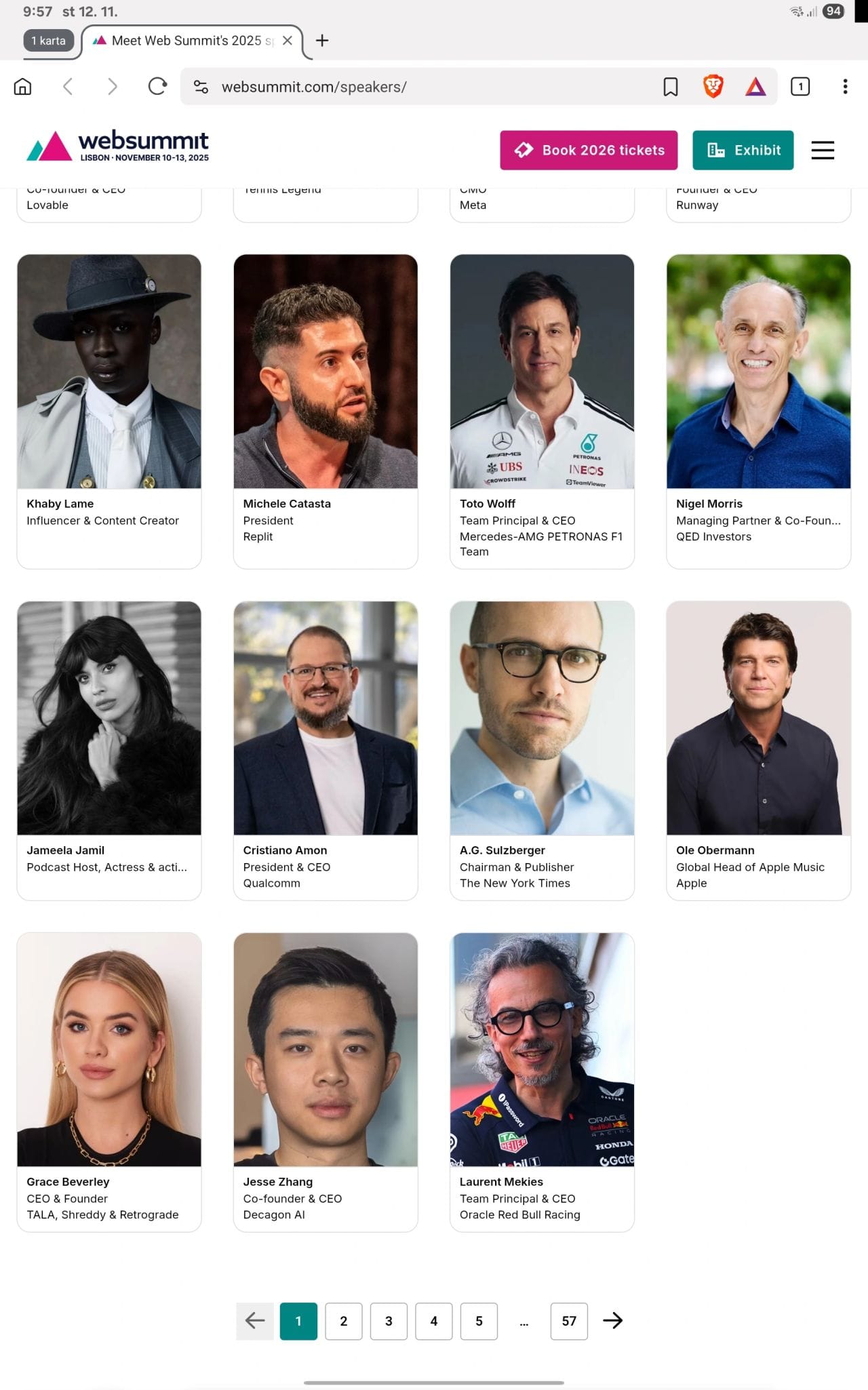
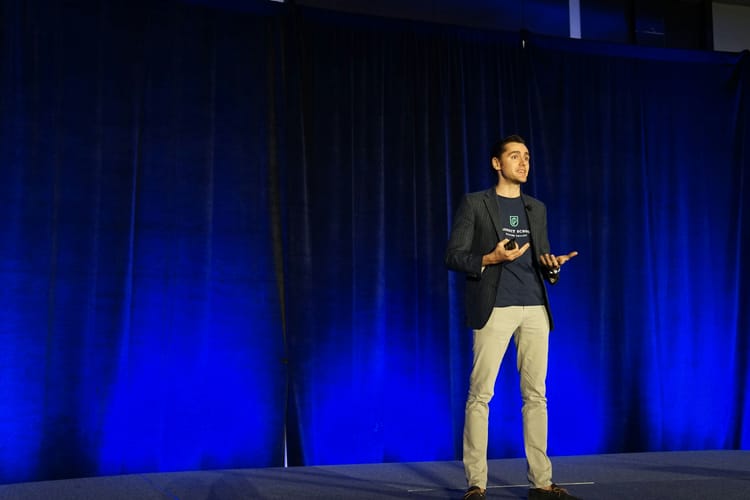
Recently, I attended an event smaller than Web Summit, yet the same dynamic appeared. Three days, two parallel tracks, ten hours of talks per day.
How much did I actually absorb?
Two or three sessions a day — the ones where I was fully present, taking notes, thinking deeply. That was enough. More would have pushed me straight into cognitive noise.
This is the paradox of choice in action.
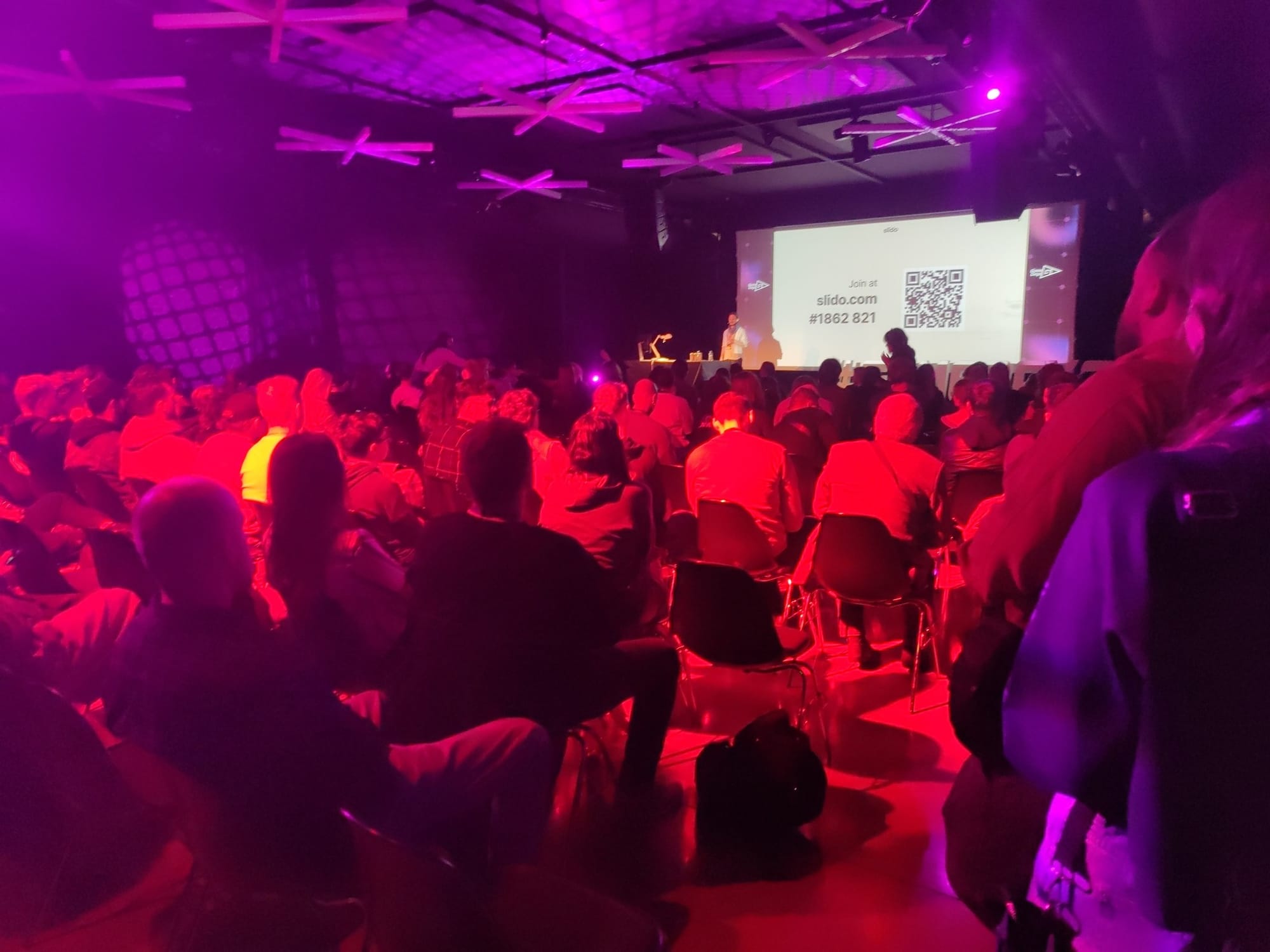
The more parallel speakers you add, the less depth the audience receives. It’s the same psychology behind dating apps and e-commerce marketplaces: endless options flatten attention.
You leave with selfies, hashtags, and overstimulation — but not clarity.
It makes me wonder:
What if conferences were built differently?
One stage.
A handful of speakers.
Curated not for reach, but for coherence and depth.
Talks chosen for insight, not follower count.
Every minute crafted with intention.
Less is more.
Signal beats noise.