Originally published on LinkedIn (reformatted for zahradnik.io / Medium)
AI companies are locked in an arms race — model vs. model, US vs. China, parameter count vs. parameter count.
Bigger. Faster. Smarter. Billions burned. Benchmarks crushed.
But here’s the uncomfortable truth:
Most users don’t need a better model. They need a better UI.
As a power user, I work with ChatGPT at a scale most people never touch:
- I create hundreds of canvas documents every month.
- I store them in Git as part of my personal knowledge base.
- OpenAI doesn’t support batch export, so I wrote my own script. (DM me if you want it.)
And in the process, I realized something surprising:
I understand parts of OpenAI’s internal data architecture better than some OpenAI employees.
Not because I’m special —
but because their UI forces me to reverse‑engineer everything.

Across platforms, the experience is inconsistent:
- Windows app → inconsistent
- Android app → sluggish
- Web UI → broken canvas previews, loading bugs, navigation hiccups
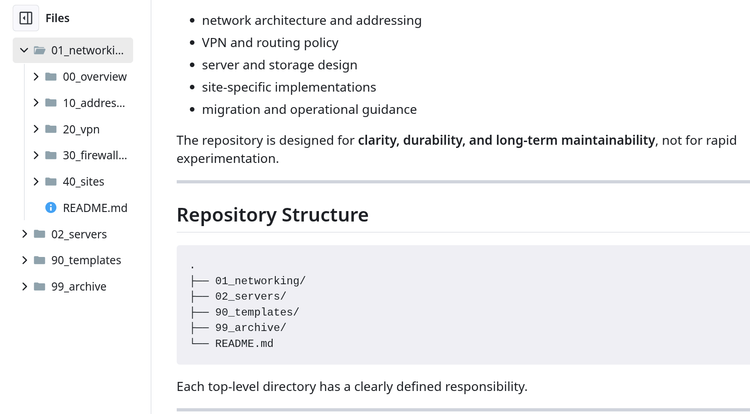
- File handling → no batch operations, no structure
All of this while OpenAI proudly releases GPT‑5.1 as the new milestone…
…right after 5.0, which was already more than enough for 99% of users.
Yes — the model is incredible.
Yes — the tech is revolutionary.
But diminishing returns are real when UX lags behind model quality.
What OpenAI (and the industry in general) seems to miss is simple:
The next leap isn’t bigger models — it’s better UX, reliability, speed, and user control.
Give us:
- stable canvas
- batch export
- real file management
- responsive UI
- predictable behavior
- public APIs for workspace automation
…and productivity would skyrocket far more than with yet another 5% model improvement.
This critique is aimed mainly at OpenAI because it’s the tool I use every day.
I can’t judge competitors I don’t use at the same depth.
But the message applies across the entire industry:
Stop optimizing benchmarks.
Start optimizing real humans.