In an earlier article, I introduced the idea of immersion weeks.
The principle is simple.
When you want to jump-start a new skill or hobby, you usually progress much faster if you dedicate a whole week, month, or at least a focused weekend to it instead of giving it one spare hour here and there.
Why does immersion work so well?
Because it eliminates context switching.
I borrowed that term from CPU terminology, but humans behave in a surprisingly similar way. Every time we switch domains, we lose time, attention, and momentum. Immersion removes that friction.
For a while, the skill becomes your world.
That is powerful.
But immersion solves only the first part of the problem.
It helps with ramp-up.
You go from zero to basic competence quickly.
Then reality returns.
You have work.
You have relationships.
You have other interests.
You have a body with limited energy.
And suddenly the question changes.
It is no longer:
How do I start?
It becomes:
How do I continue without fragmenting my life?
That is where integration begins.
What Motorcycle Riders Taught Me
I once heard a claim that many motorcycle riders quit within the first few years.
As a new rider myself, I was naturally curious.
Could that happen to me too?
Yes.
The risk is real.
But I think I can see the underlying pattern.
There are two broad types of motorcycle riders. I am generalizing, but bear with me.
The first group treats motorcycling as a ritual.
During the season, they plan weekend trips. Sometimes alone, sometimes with friends. The motorcycle becomes a special activity.
Special activities require planning.
They require time.
They compete with other hobbies.
And if you add friction — for example fifteen minutes of dressing into motorcycle gear, preparing the bike, and later changing back — it can easily become too much.
You still like the idea of riding.
You simply stop doing it.
Not because the activity is bad.
Because it never became part of your life.
The second group treats motorcycles as transport first and ritual second.
These people ride almost everywhere.
Day.
Night.
Heat.
Cold.
Sometimes even rain.
They do not wait for the perfect Sunday trip.
They simply need to go somewhere and choose the motorcycle.
In many Western countries, motorcycles are treated as luxury or leisure objects. In many parts of Asia, motorcycles are simply transportation.
Would you expect those people to quit riding after three years?
Probably not.
Because riding is not a hobby competing for calendar space.
It is integrated into daily life.
That is the key.
If you want an activity to survive long-term, integrate it into your everyday life.
Rituals Are Fragile
Rituals can be beautiful.
I am not against them.
A dedicated motorcycle trip can be wonderful.
A focused tango workshop can be transformative.
A full weekend of language immersion can accelerate progress.
But rituals are fragile because they depend on special conditions.
You need the right time.
The right energy.
The right environment.
The right mood.
The right gap in your calendar.
Daily integration is different.
It lowers the requirement.
The activity no longer asks:
Can you give me a perfect block of time?
It asks:
Can I travel with you through the life you already live?
That is a much stronger model.
Example One: Motorcycles
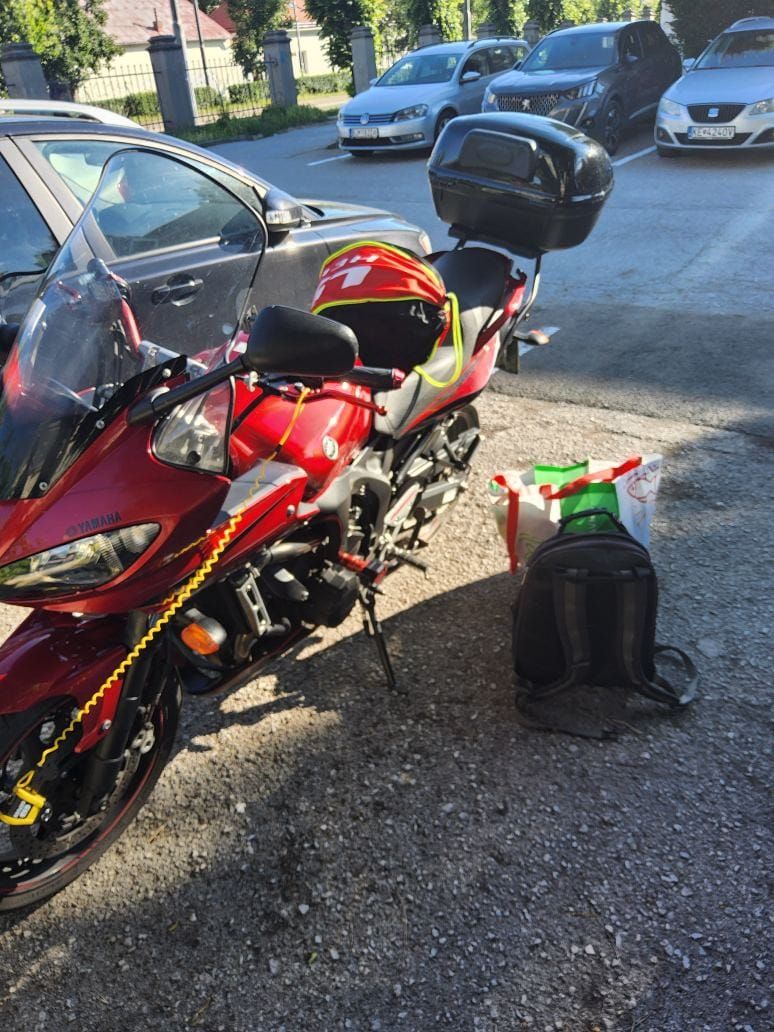
Recently I shifted from the “weekend ritual” stage of motorcycling into something more integrated.
I had tango in Košice.
I needed transportation.
So I rode the motorcycle instead of taking the car.
That was it.
No special trip.
No perfect plan.
Just regular traffic, two cities, cars around me, normal real-world riding.
This week I may not have time for a dedicated weekend ride.
And yet I already gained around eighty kilometers of experience.
Why?
Because I did not treat motorcycling as a separate activity.
I merged it with something I was already doing.
I was looking forward to the ride.
Then to tango.
Then to the ride home again.
That is integration.
Example Two: Tango
Tango still requires dedicated time.
There is no way around it.
You need classes.
You need teachers.
You need other humans.
You need a floor, music, and feedback.
But not everything requires a class.
Some elements can be integrated into ordinary life.
While brushing my teeth, I can practice weight transfers.
While standing, I can work on balance.
While walking, I can pay attention to posture, axis, and how my body moves through space.
These small moments will not replace proper practice.
But they keep the body connected to the skill.
That matters.
Because the body learns through repetition.
And repetition does not always require a formal training session.
Example Three: Social Skills
Dating coaches often talk about cold approach.
Go outside.
Talk to strangers.
Approach women in the street.
Repeat until fear disappears.
I understand the logic.
I even practiced this years ago.
At one point I was going out several times a week just to talk to people.
It worked to some extent.
But it was not sustainable.
Why?
Because it turned social growth into a separate activity.
Another thing in the calendar.
Another block of time competing with everything else.
Eventually I stopped doing dedicated sessions.
But I did not stop developing socially.
I changed the model.
Why should I talk to people only when “social practice” is in my calendar?
Life already contains people.
Toastmasters.
Tango.
A gas station owner.
A stranger during a trip.
Someone in a workshop.
A person sitting next to me at an event.
Social skill training does not have to be isolated from life.
It can become part of life.
And when it becomes part of life, it becomes sustainable.
The Same Pattern Applies Everywhere
Once you notice this pattern, you start seeing it everywhere.
Languages.
Music.
Fitness.
Writing.
Video production.
Public speaking.
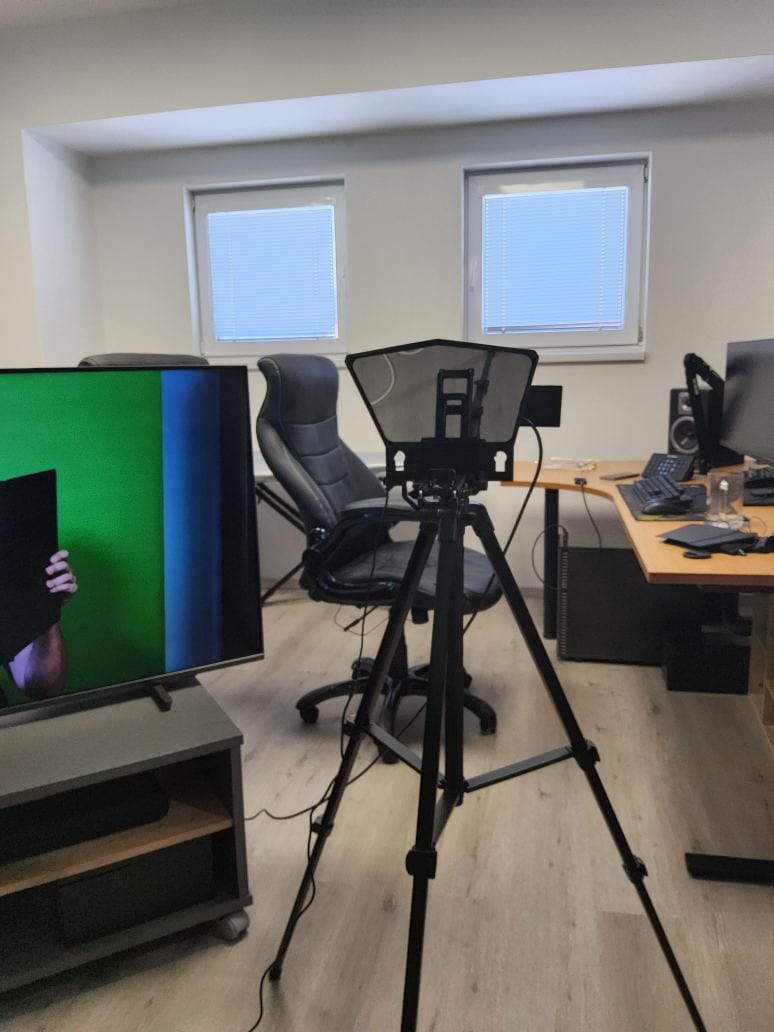
Many people fail not because they lack discipline, but because they design their lives as a pile of disconnected activities.
One hour for this.
Two hours for that.
A weekend for something else.
Each domain becomes a separate island.
And eventually the islands start fighting each other.
Integration solves a different problem.
It asks:
Where can this activity naturally attach to the life I already have?
Can language learning happen while walking?
Can balance training happen while brushing teeth?
Can social practice happen during normal errands?
Can motorcycle riding become transportation?
Can video production become part of publishing articles?
Can writing become part of thinking instead of a separate task?
The goal is not to turn every minute into productivity.
That would be madness.
The goal is to reduce fragmentation.
Immersion Starts the Engine. Integration Keeps It Running.
Immersion is still useful.
When something is new, immersion gives you a strong start.
It gives you momentum.
It builds the initial mental model.
It helps you cross the painful beginner stage faster.
But after that, integration becomes more important.
Immersion says:
Enter this world deeply for a while.
Integration says:
Now let this world become part of your life.
Both are needed.
Without immersion, you may never start properly.
Without integration, you may not continue.
Why People Quit
People often think they quit because they lost interest.
Sometimes that is true.
But often they quit because the activity remained too separate from daily life.
It required too much planning.
Too much special time.
Too much activation energy.
Too much friction.
The solution is not always more discipline.
Sometimes the solution is better architecture.
Design the activity so it can survive ordinary days.
Not only perfect days.
Not only weekends.
Not only holidays.
Not only when motivation is high.
If you want something to stay with you, give it a place in your normal life.
Otherwise it remains a ritual.
And rituals are beautiful, but fragile.
I wish you an integrated life without fragmentation.