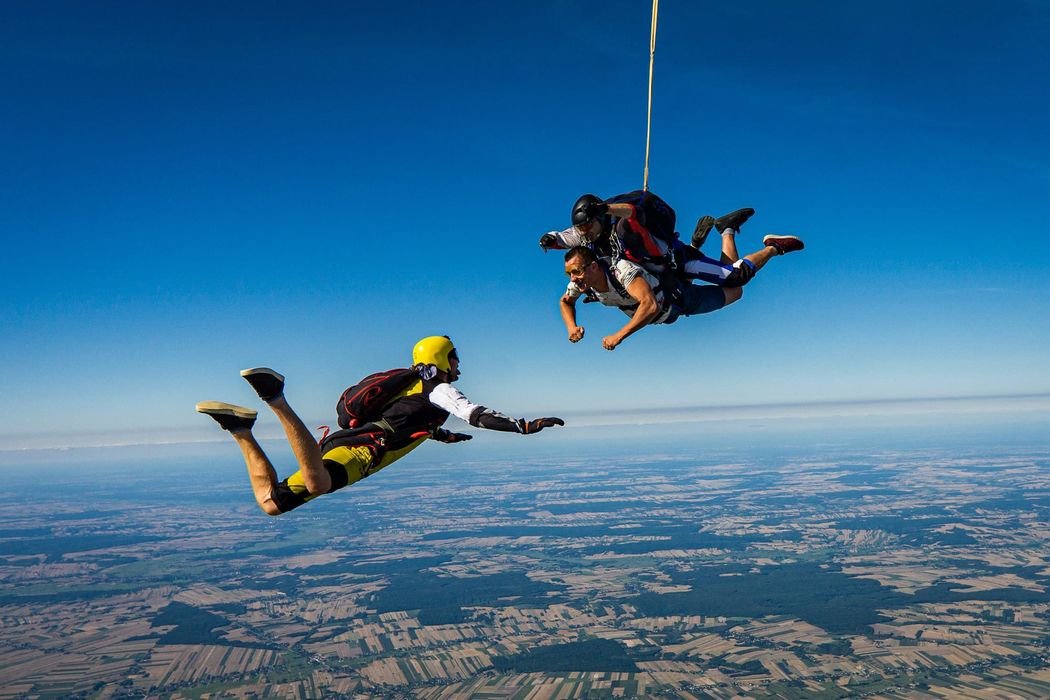
During the years I dedicated to self-growth, I kept encountering the same invisible barrier.
Fear.
Not rational fear. Not danger. Just a persistent internal resistance that appeared whenever I stepped outside my comfort zone.
A few examples:
- Public speaking — initially uncomfortable, later something I genuinely enjoy
- Talking to strangers — in trains, at events, even at the opera
- Dancing — joining a tango course without knowing anyone
- Publishing online — moving from silence to public expression
Different situations, same pattern.
The mind knew nothing serious was at stake.
The body reacted anyway.
Fear is a hardware response, not a thinking problem
A few nights ago, my body calibrated this in a way logic never could.
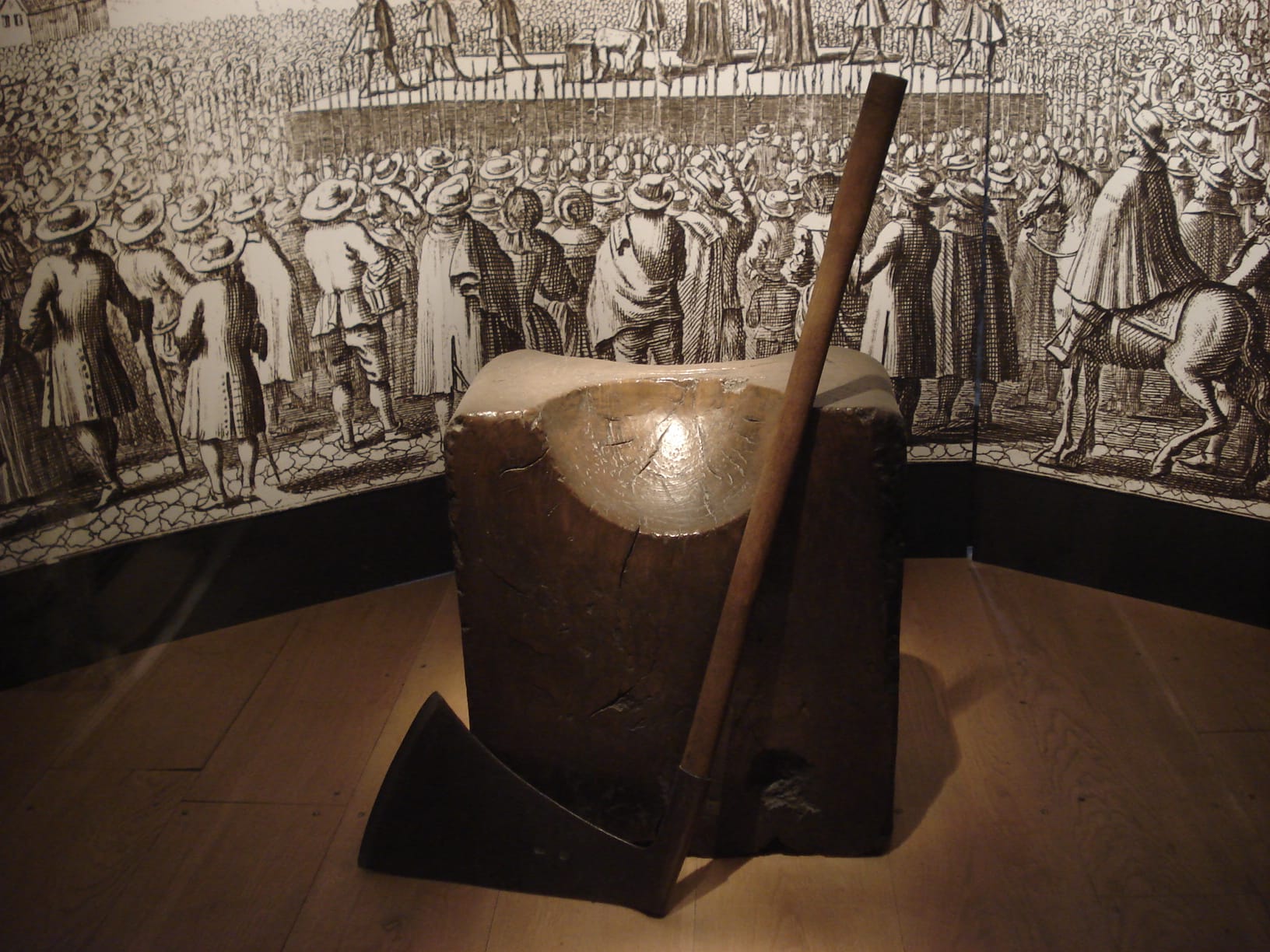
I had a vivid dream: I was about to be executed. Modern world, but the outcome was certain — I had days left.
There was no panic. No attempt to escape. Just acceptance.
Because any alternative meant a life of constant fear — hiding, running, never safe.
And in that moment, my body made a clear distinction:
real danger
vs
perceived discomfort
The next day, situations that used to trigger hesitation felt trivial.
Most people treat fear as a thinking problem.
It is not.
Fear is a hardware response — a nervous system reaction that activates before logic has time to intervene.
You can understand everything intellectually and still feel resistance in your body.
This is where many self-improvement strategies fall short.
The default solution: exposure
The standard advice is simple:
Repeated exposure reduces fear.
This works.
Over time, your body reclassifies the situation:
- from threat
- to excitement
But there is a problem.
It is slow.
Real-world exposure is limited:
- speaking opportunities are occasional
- social situations are unpredictable
- high-stakes environments are rare
You might get one or two meaningful repetitions per week.
Building bridges instead of jumping
I rarely recommend jumping directly into extreme situations.
Instead, I prefer building intermediate steps — controlled environments where the perceived risk is lower.
For example:
- Toastmasters as a bridge to public speaking
- structured classes as a bridge to social interaction
These environments reduce pressure while still triggering the response you need to train.
Simulation as a training tool
Over time, I discovered something even more effective:
Simulation.
Not replacing reality — but augmenting it.
1. Mental simulation
Practicing alone while imagining a real scenario:
- dancing with an imagined partner
- rehearsing conversations
Surprisingly, the body responds.
It does not fully distinguish between a vivid simulation and reality.
2. Dreams
Dreams are uncontrolled simulations.
When fear appears in a dream, it feels real in the moment.
That makes it a form of exposure training — without real-world consequences.
We don’t control when or how this happens, but the mechanism is valuable.
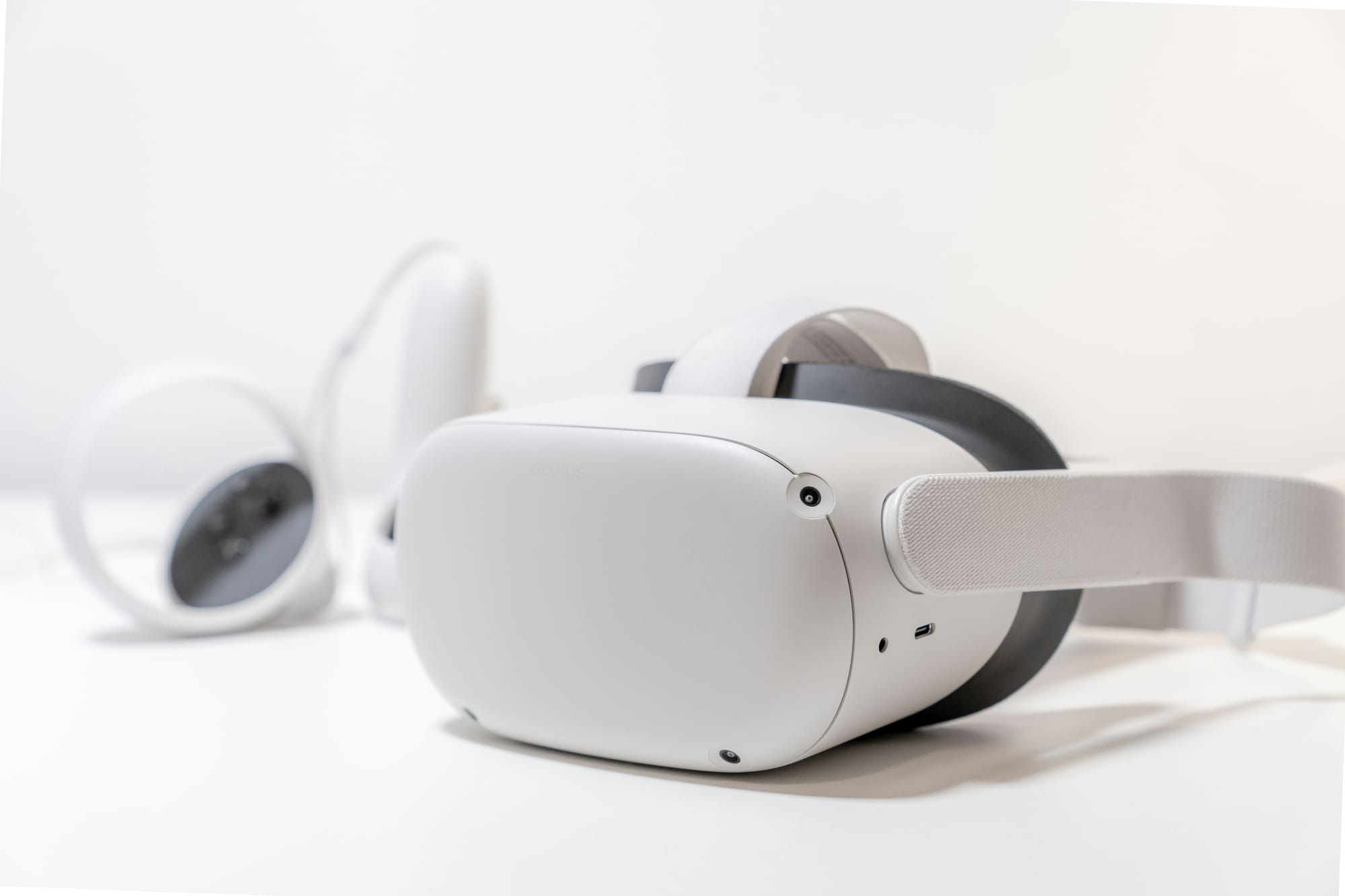
3. Virtual reality
Virtual reality pushes this further.
The brain can be convincingly “tricked”:
- you feel motion
- you experience discomfort
- you react emotionally
This is not theoretical — people get motion sickness in VR because the body believes the simulation.
Which leads to a practical insight:
VR can be used as controlled exposure therapy.
Simulated environments can trigger real fear responses:
- public speaking
- social pressure
- performance anxiety
And they can be repeated far more frequently than real-world scenarios.
Frequency changes everything
Compare two approaches:
Real exposure
- 1–2 times per week
Simulation + real exposure
- simulation: daily
- real exposure: weekly
The difference is not incremental.
It is multiplicative.
This is why I can now approach people in real life more comfortably than replying to a message online.
What simulation is not
Simulation is not a replacement for reality.
Nothing fully replaces real-world experience.
But it is a bridge.
A way to prepare the body before the real situation happens.
Rethinking tools like VR
Many people associate VR only with gaming.
That’s a narrow view.
Used differently, VR becomes:
- a training environment
- a safe failure space
- a way to accelerate adaptation
Final thought
If fear is a hardware response, then training it requires more than thinking.
It requires repetition.
And if repetition is limited in the real world, then simulation becomes a powerful lever.
You don’t have to wait for life to train you.
You can build the conditions yourself.