You rarely see posts like this on social media.
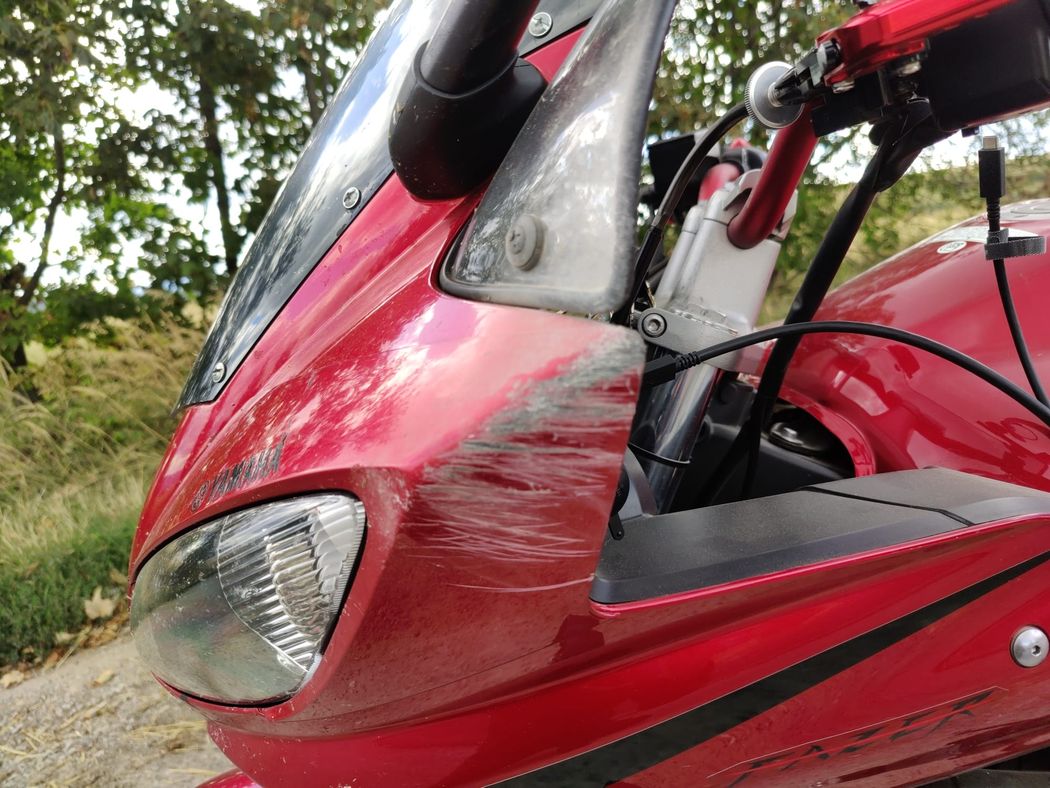
Yesterday I dropped my motorcycle while pulling over onto a gravel turnout to get some rest.
I’m all right. The motorcycle is mechanically all right too.
The scratches stayed.
This isn’t a self-pity post, though. Something surprisingly useful came out of it.
My old Yamaha Fazer has just acquired a new job:
it is becoming a learning platform.
1. Learn to ride on something that is no longer cosmetically precious
I am not talking about riding recklessly. Quite the opposite.
But you learn very little if you remain permanently in the comfortable center of your abilities. Training happens near the frontier — inside conditions where mistakes can still be recovered from safely.
The Fazer can even become useful for teaching. In a controlled environment, someone can experience what a motorcycle feels like at very low speed, how its weight behaves, how balance changes, and how to recover it.
Even lifting a fallen motorcycle correctly is a real skill that is difficult to teach when nobody wants to drop the training bike.
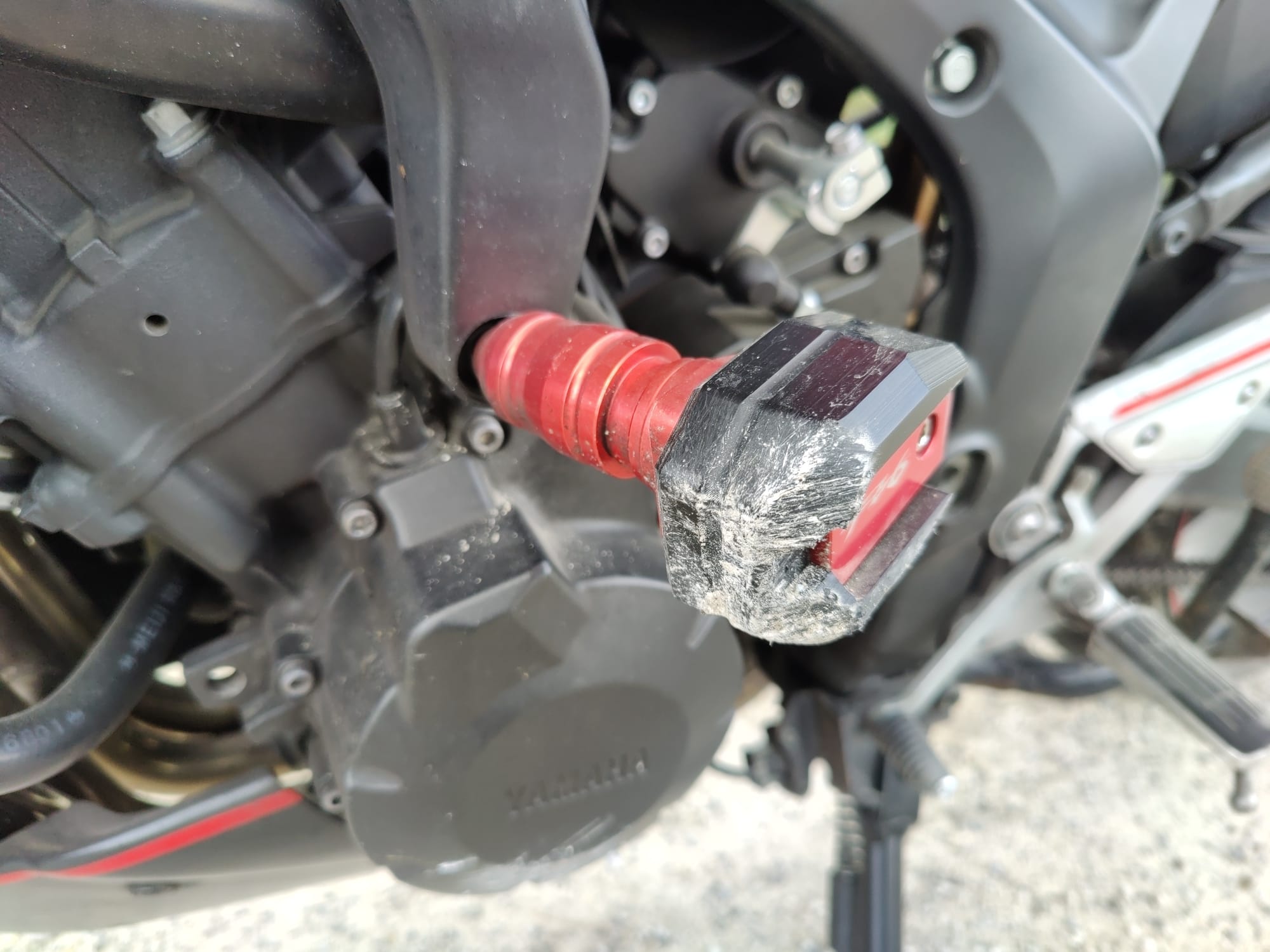
2. Learn to repair it
It is an older motorcycle. Cosmetic replacement parts are increasingly scarce and can be expensive relative to what the whole bike cost me.
But once repair itself becomes the product, the economics change.
Instead of paying somebody to hide every scratch, we can learn:
- plastic repair;
- filling;
- sanding;
- painting;
- mechanical maintenance;
- diagnostics.
3. Then start redesigning it
Once we know how the existing machine works, we can begin producing custom parts and experimenting with road-legal modifications.
The dashboard is an obvious candidate.
It looks seriously dated in 2026.
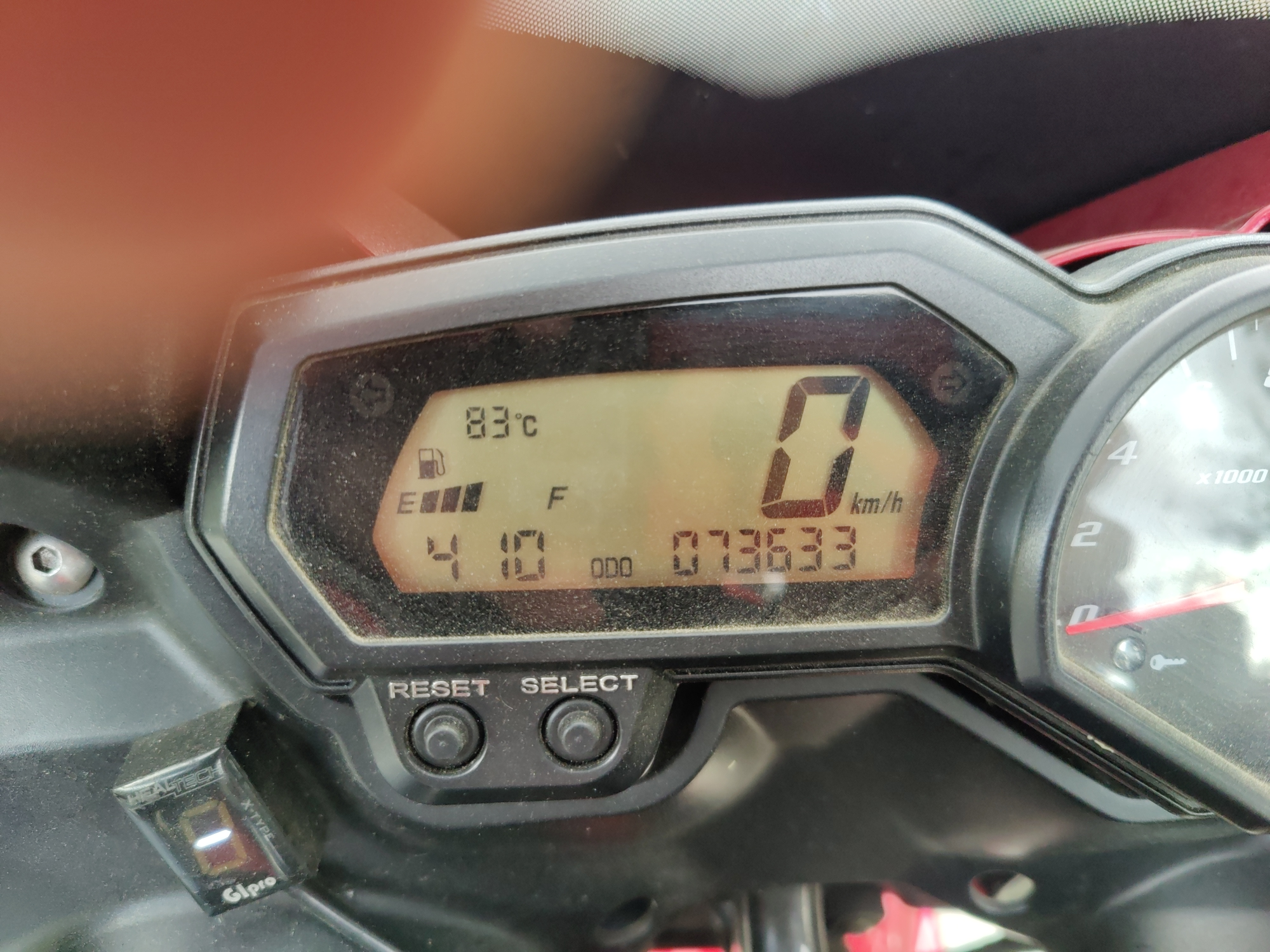
Replacing it with a custom system suddenly touches:
- electronics;
- embedded software;
- sensors;
- mechanical mounting;
- waterproofing;
- vibration resistance;
- UI design;
- rider ergonomics.
At that point this stops being simple motorcycle maintenance.
It becomes engineering.
4. And after that, the interesting part begins
The Fazer is no longer something I merely want to preserve.
It is a machine from which we can extract capability.
Riding. Repair. Fabrication. Electronics. Vehicle design.
I will eventually repair the damaged fairing — but probably not by handing it to a repair shop.
I want to learn how to do it.
And if other capable and curious people want to join individual projects, even better.
This is very close to the guild model I have been talking about for the past few months:
real objects, real problems, practical knowledge, people learning from each other, and something tangible left behind when the session ends.
Yesterday I scratched a motorcycle.
We may have gained a laboratory.