Late last year I wrote about leaving Windows behind.
The decision was not driven by performance, aesthetics, or the endless operating system debates that dominate the internet. My motivation was much simpler.
I wanted control.
I did not want critical company data tied to a platform I did not fully trust. Linux offered transparency, flexibility, and ownership. For someone building a company, those qualities matter.
So in January 2026 I started with a clean slate.
Fedora on my laptop.
Arch Linux on my desktop.
No Windows.
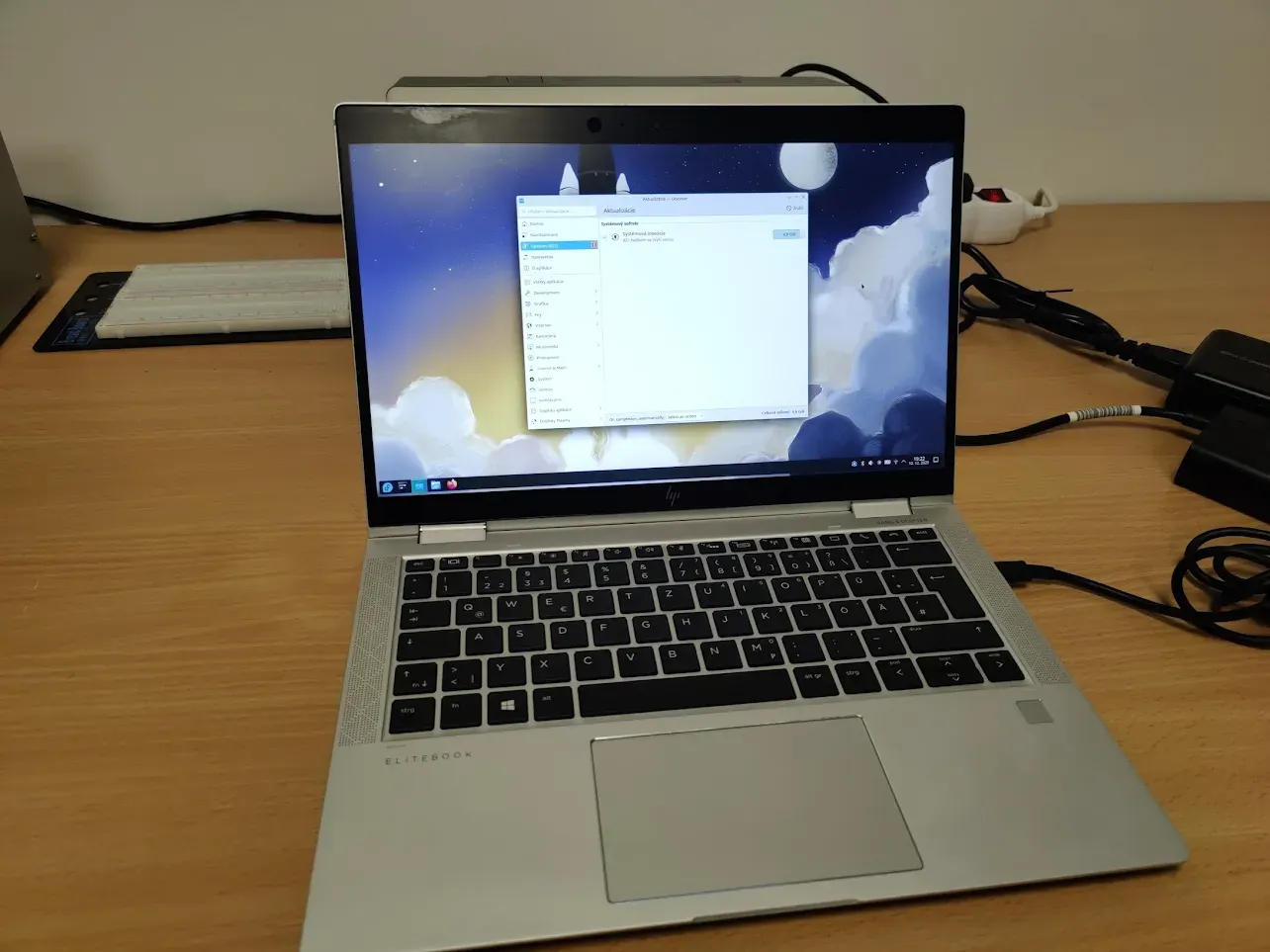
At first, everything looked promising.
Most of my daily work happened in a browser. Programming tools worked well. Communication tools worked well. Infrastructure tools worked even better than before.
For a while, it seemed like the internet was right.
Perhaps Windows really had become unnecessary.
Then reality arrived.
The Difference Between "Possible" and "Practical"
One of the most common claims made by Linux enthusiasts is:
Everything runs on the web nowadays.
There is truth in that statement.
There is also a blind spot.
The more specialized your work becomes, the more likely you are to encounter software that does not fit neatly into that vision.
My electronic ID technically works on Linux.
Setting it up, however, requires enough effort that every update feels like a potential future troubleshooting session.
Unreal Engine runs on Linux.
On my machine it runs poorly enough that I would hesitate to use it for serious work.
My Elgato hardware has no official Linux support.
The devices work. The software ecosystem largely does not.
DaVinci Resolve Studio can be made to work, but every guide feels like an expedition into uncertainty.
Sound Forge remains Windows-only.
Some of my audio tools remain Windows-only.
Parts of my music workflow remain Windows-only.
Even my camera once decided it would stop cooperating at the exact moment I needed it for an interview.
Could these problems be solved?
Probably.
But that is not the right question.
The right question is:
How much of my life should be spent maintaining the tools instead of using them?
The Virtualization Experiment
Linux offers an elegant answer.
Run Windows as a virtual machine.
The technology is impressive.
Snapshots are easy.
Backups are easy.
Isolation is excellent.
For office applications, browsing, and administration work, the experience is surprisingly good.
Then the GPU enters the conversation.
Many people associate GPU acceleration with gaming.
Modern creative software tells a different story.
Audio tools use it.
Video tools use it.
Photo editing tools use it.
User interfaces use it.
The result was obvious.
Windows inside a virtual machine worked.
But it never felt truly comfortable.
The difference was small enough to tolerate and large enough to notice.
That combination is often the most frustrating.
When the Solution Becomes the Problem
Naturally, I explored the next step.
The concept sounds straightforward.
Install a second graphics card.
Assign it to Windows.
Enjoy near-native performance.
Reality proved more complicated.
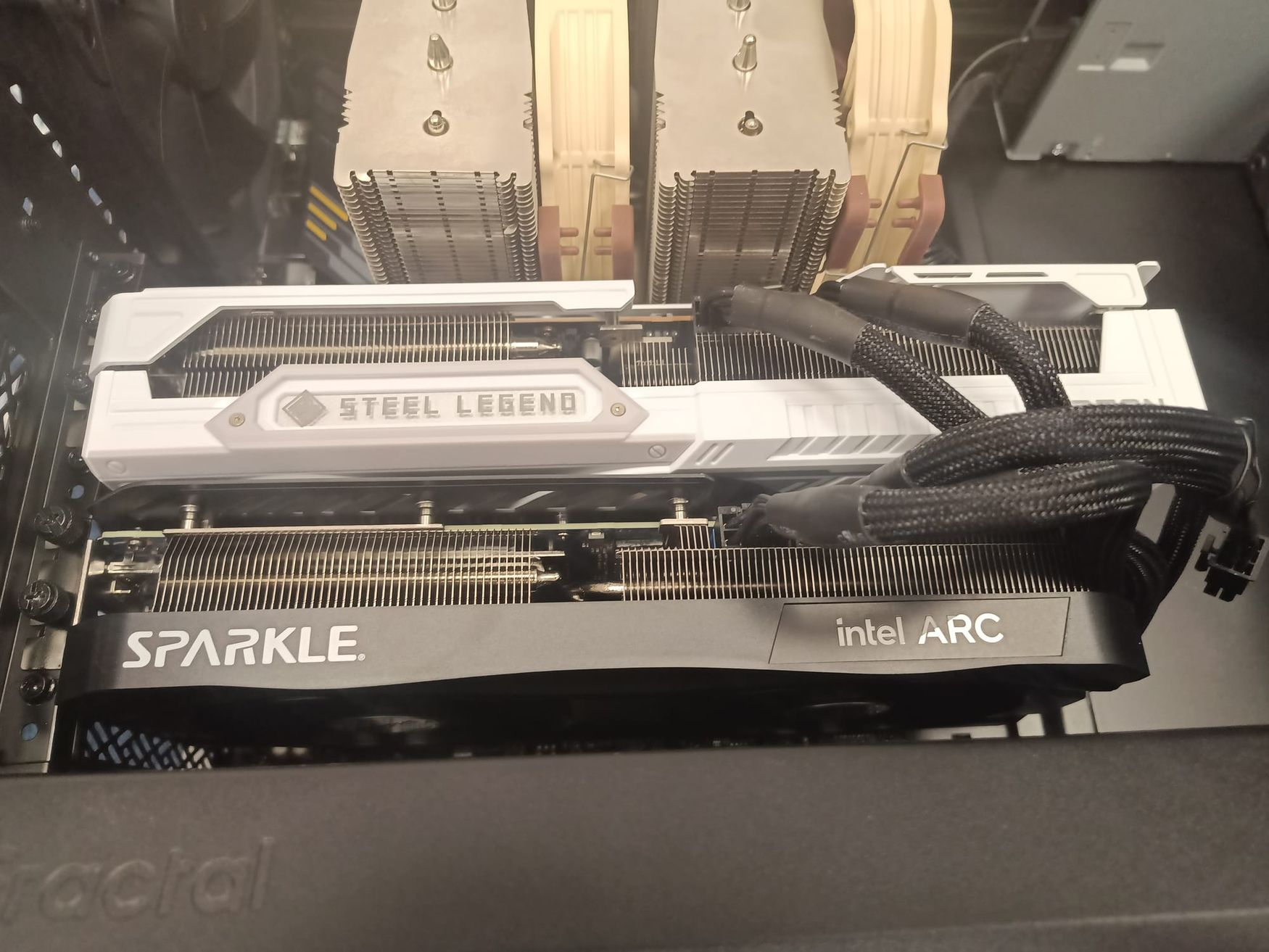
I spent time researching virtualization internals, hardware isolation, driver behavior, motherboard limitations, and kernel-level configuration.
The engineering challenge itself was fascinating.
I genuinely enjoyed learning about it.
But eventually I experienced a feeling I had encountered before.
A memory from more than a decade ago.
Hackintosh All Over Again
Years ago I ran macOS on unsupported PC hardware.
Not because I needed macOS.
Because I wanted to understand how it worked.
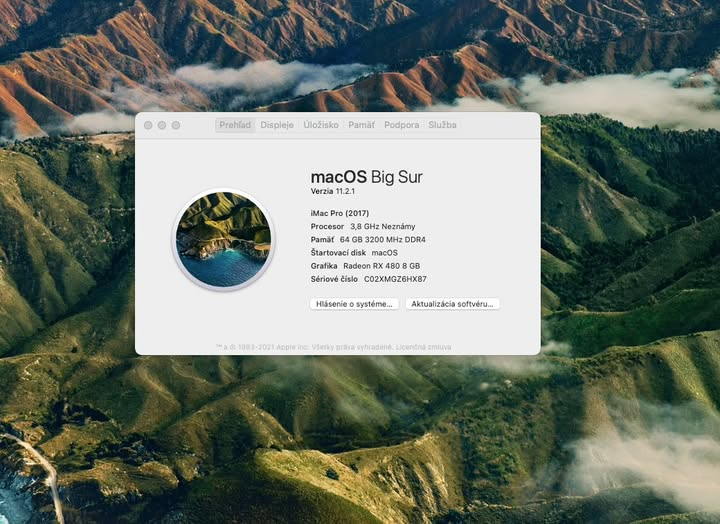
I learned a tremendous amount.
Bootloaders.
EFI.
ACPI.
Hardware initialization.
System internals.
It was one of the most educational technical rabbit holes I ever entered.
It was also a trap.
Every improvement introduced new complexity.
Every update introduced new uncertainty.
Eventually I realized something important.
If the system's complexity grows beyond a certain point, the system is no longer serving you. You are serving the system.
While researching GPU passthrough, I recognized the same pattern.
Not identical.
But similar enough.
And unlike my younger self, I am no longer optimizing for technical curiosity.
Today I am optimizing for throughput.
I am a founder.
I simply need a way to work.
Nothing more.
Nothing less.
The Strategy Going Forward
So I reconsidered the original plan.
Windows will return.
Not everywhere.
Not as the primary platform.
But as a specialized tool.
My laptop will have Windows available.
My desktop will have Windows available.
Linux will remain my primary operating system for development, infrastructure, writing, and most day-to-day work.
Windows will handle the workloads where it clearly provides less friction:
- audio production
- video production
- VR experimentation
- specialized creative software
- hardware with poor Linux support
Meanwhile, the broader company infrastructure will remain Linux- and BSD-based.
Servers do not care about Sound Forge.
Storage systems do not care about Elgato software.
Different tools solve different problems.
The architecture should reflect that reality.
Was the Linux Transition a Failure?
No.
Not even close.
For six months Linux became my exclusive environment.
The experiment proved something valuable.
Most of my work can be done on Linux.
Many parts of my workflow are actually better on Linux.
The transition permanently changed how I think about infrastructure ownership and software independence.
What failed was not Linux.
What failed was my assumption that a single operating system should solve every problem equally well.
The answer turned out to be more nuanced.
Linux remains my primary platform.
Windows becomes a specialized tool.
And one day, if Linux closes enough of the remaining gaps, I may revisit the decision again.
For now, I have reached a conclusion that feels both practical and sustainable.
My goal was never to remove Windows.
My goal was to own my infrastructure.
Ironically, the six-month Linux experiment brought me much closer to that goal — even though Windows ended up returning in the process.